















































Why Employee Retention Fails: The Hidden Costs of Toxic Work Environments
Introduction: The Invisible Drain – Why Your Best People Are Leaving
In today’s competitive landscape, employee retention is more than just a buzzword; it’s a critical indicator of an organization’s health and future success. Companies invest heavily in recruiting, onboarding, and training, yet often find themselves caught in a revolving door of talent. While compensation and benefits play a role, the deeper, more insidious culprit behind failing retention efforts often lies beneath the surface: a toxic work environment fueled by poor management.
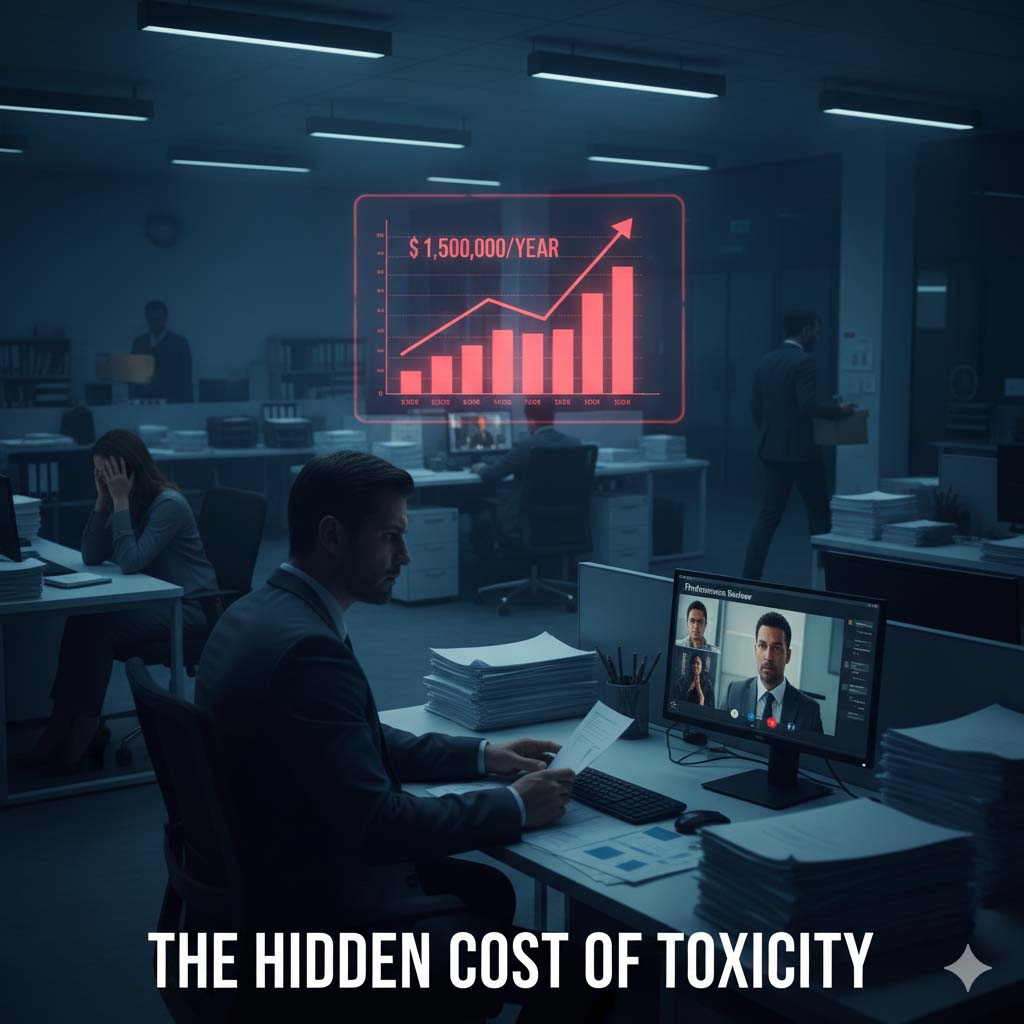
This isn’t just about morale; it’s about the bottom line. The hidden costs of high turnover — from lost productivity and institutional knowledge to recruitment expenses and damaged reputation — can silently cripple an organization. In this comprehensive guide, we’ll peel back the layers to reveal how bad management habits create a breeding ground for toxicity, ultimately pushing away your most valuable assets.
The Elephant in the Room: Defining a Toxic Work Environment
A toxic work environment isn’t always overt; it’s often a pervasive atmosphere characterized by negativity, fear, disrespect, and a lack of psychological safety. It’s a place where employees feel undervalued, unheard, and constantly under pressure due to factors beyond their control. This environment erodes trust, stifles innovation, and, most importantly, drives away motivated individuals seeking a healthier, more productive space.

The True Cost of Turnover: Beyond the Obvious
Many companies underestimate the true financial and operational impact of losing an employee. It’s not just the severance package or the recruitment fee.
-
Direct Costs: Recruitment advertising, background checks, interviewing time, relocation expenses, onboarding programs, and initial training.
-
Indirect Costs:
-
Lost Productivity: The time between an employee leaving and their replacement becoming fully productive can be weeks or even months. Existing staff are often stretched thin, leading to burnout and reduced output.
-
Loss of Institutional Knowledge: Departing employees take with them invaluable experience, client relationships, project history, and process expertise that is difficult, if not impossible, to replace immediately.
-
Decreased Morale: When good people leave, those who remain often question why. Morale can plummet, leading to disengagement and a “survivor’s guilt” or increased stress among the remaining team members.
-
Damaged Reputation: A high turnover rate signals to potential candidates and clients that something is wrong within the organization, making future recruitment harder and potentially impacting business relationships.
-
Training Overheads: Every new hire requires significant investment in training, not just in terms of formal programs, but also the time spent by managers and colleagues bringing them up to speed.
-
Studies suggest that the cost of replacing an employee can range from 50% to 200% of their annual salary, depending on the role’s seniority and specialization. This financial bleed is often preventable.
The Management Mess: How Bad Habits Fuel Toxicity and Turnover
While organizational culture is complex, management plays an outsized role in shaping it. Bad management habits are the primary architects of a toxic environment and the most common reason employees seek greener pastures.
1. Lack of Clear Communication and Expectations
One of the most frustrating experiences for any employee is a lack of clarity regarding their role, responsibilities, and performance expectations.
-
The Problem: Managers who fail to communicate clearly, frequently shift goalposts without explanation, or provide vague feedback leave employees feeling lost, confused, and unable to perform effectively. This uncertainty breeds anxiety and diminishes a sense of accomplishment.
-
The Impact: Employees become disengaged, performance suffers, and eventually, top talent who thrive on clarity and direction will look for roles where their efforts are clearly aligned with organizational goals.
2. Micro-management and Lack of Trust
No one enjoys being constantly looked over. Micro-management signals a profound lack of trust in an employee’s abilities and judgement.
-
The Problem: Managers who can’t delegate effectively, obsess over minor details, or constantly question every decision made by their team members stifle initiative and autonomy. They prioritize control over empowerment.
-
The Impact: This suffocating style demoralizes employees, stripping them of their confidence and creativity. It communicates that their expertise isn’t valued, leading them to feel like cogs in a machine rather than respected professionals. The most capable and confident employees will quickly seek environments where their contributions are trusted and appreciated.
3. Absence of Recognition and Appreciation
Humans thrive on feeling valued. When hard work goes unnoticed, motivation quickly wanes.
-
The Problem: Managers who fail to acknowledge achievements, offer praise, or provide constructive feedback that highlights strengths (not just weaknesses) create an environment where employees feel invisible and unappreciated.
-
The Impact: A lack of recognition can be as demotivating as poor pay. Employees begin to question the purpose of their extra effort if it’s never acknowledged. This leads to burnout and a feeling that their contributions are taken for granted, ultimately prompting them to seek places where their efforts are seen and celebrated.
4. Unfair Treatment and Favoritism
Perceived injustice can quickly poison a team.
-
The Problem: Managers who show favoritism, assign tasks inequitably, or apply policies inconsistently create an environment of resentment and distrust. This can manifest in unequal opportunities for advancement, unfair disciplinary actions, or preferential treatment in workload distribution.
-
The Impact: Employees quickly lose faith in leadership when they perceive unfairness. This erodes team cohesion, breeds resentment, and creates a sense that hard work isn’t rewarded if you’re not in the “inner circle.” High-performing, ethical employees will not tolerate such an environment long-term.
5. Poor Conflict Resolution and Avoidance
Conflict is inevitable in any workplace, but how it’s handled (or not handled) is crucial.
-
The Problem: Managers who avoid addressing interpersonal conflicts, allow bullying or disrespectful behavior to fester, or fail to mediate disputes effectively contribute to a hostile work environment. They prioritize peace-keeping over problem-solving.
-
The Impact: Unresolved conflicts create stress, division, and an atmosphere of fear. Employees may feel unsafe, unsupported, and unable to focus on their work. This directly impacts psychological safety and is a major driver of voluntary turnover.
6. Lack of Growth and Development Opportunities
Ambitious employees want to learn and grow. If their current role offers no path forward, they will seek it elsewhere.
-
The Problem: Managers who fail to identify employee strengths, provide opportunities for skill development, or discuss career progression limit their team members’ potential. They might view training as an expense rather than an investment.
-
The Impact: Talented individuals want to expand their horizons. If their current role feels like a dead end, they will inevitably look for organizations that invest in their future. A lack of development opportunities is a silent killer of ambition and a major reason why high-potential employees leave.
7. Setting a Poor Example (Lead by “Do as I Say, Not as I Do”)
Leadership by example is powerful, both positively and negatively.
-
The Problem: Managers who exhibit poor work-life balance, engage in gossip, cut corners, or show disrespect to colleagues create a precedent for the entire team. Hypocrisy from leadership is a fast track to disengagement.
-
The Impact: When managers don’t embody the values they preach, employees lose respect for them and the organization. This hypocrisy fosters cynicism and a lack of commitment, as employees see that the rules don’t apply equally. Trust is broken, and a toxic culture proliferates.
Breaking the Cycle: Solutions for Stronger Retention
Recognizing the problems is the first step; implementing solutions is the journey. Companies serious about retention must:
-
Invest in Leadership Training: Equip managers with the skills needed for effective communication, feedback, conflict resolution, and employee development.
-
Foster a Culture of Feedback: Create safe channels for employees to provide upward feedback without fear of retribution. Act on this feedback.
-
Prioritize Psychological Safety: Ensure employees feel safe to voice ideas, admit mistakes, and challenge the status quo without fear of punishment or humiliation.
-
Promote Work-Life Balance: Encourage healthy boundaries and discourage overwork. Recognize that sustainable performance comes from rested, engaged employees.
-
Recognize and Reward: Implement robust recognition programs that celebrate achievements, both big and small, and link them to company values.
-
Ensure Transparency and Fairness: Maintain clear, consistent policies and apply them equitably across the board.
-
Create Career Pathways: Work with employees to map out their professional development and provide opportunities for growth, training, and internal mobility.
Conclusion: Building a Workplace Where Everyone Thrives
Employee retention isn’t a mysterious phenomenon; it’s a direct outcome of the environment you create. While external factors always play a part, the internal ecosystem – largely shaped by management – holds the most power. By understanding and addressing the bad habits that foster toxicity, organizations can transform their workplaces into vibrant, supportive spaces where employees feel valued, respected, and empowered to do their best work. This not only stemming the tide of turnover but also unlocks innovation, boosts productivity, and ultimately drives sustainable success. Investing in your people, starting with effective and empathetic management, is the smartest investment any organization can make.