













































Why Is Cancer Increasing Among Young People in Pakistan? Causes, Risk Factors and Prevention
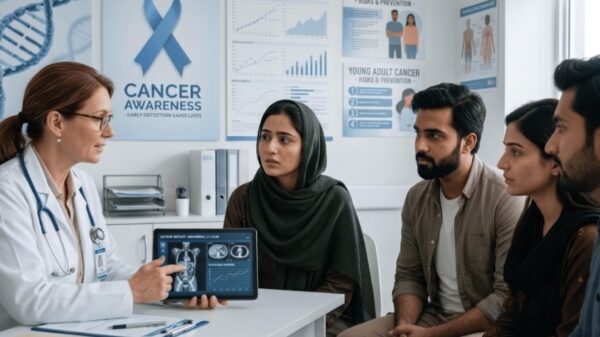
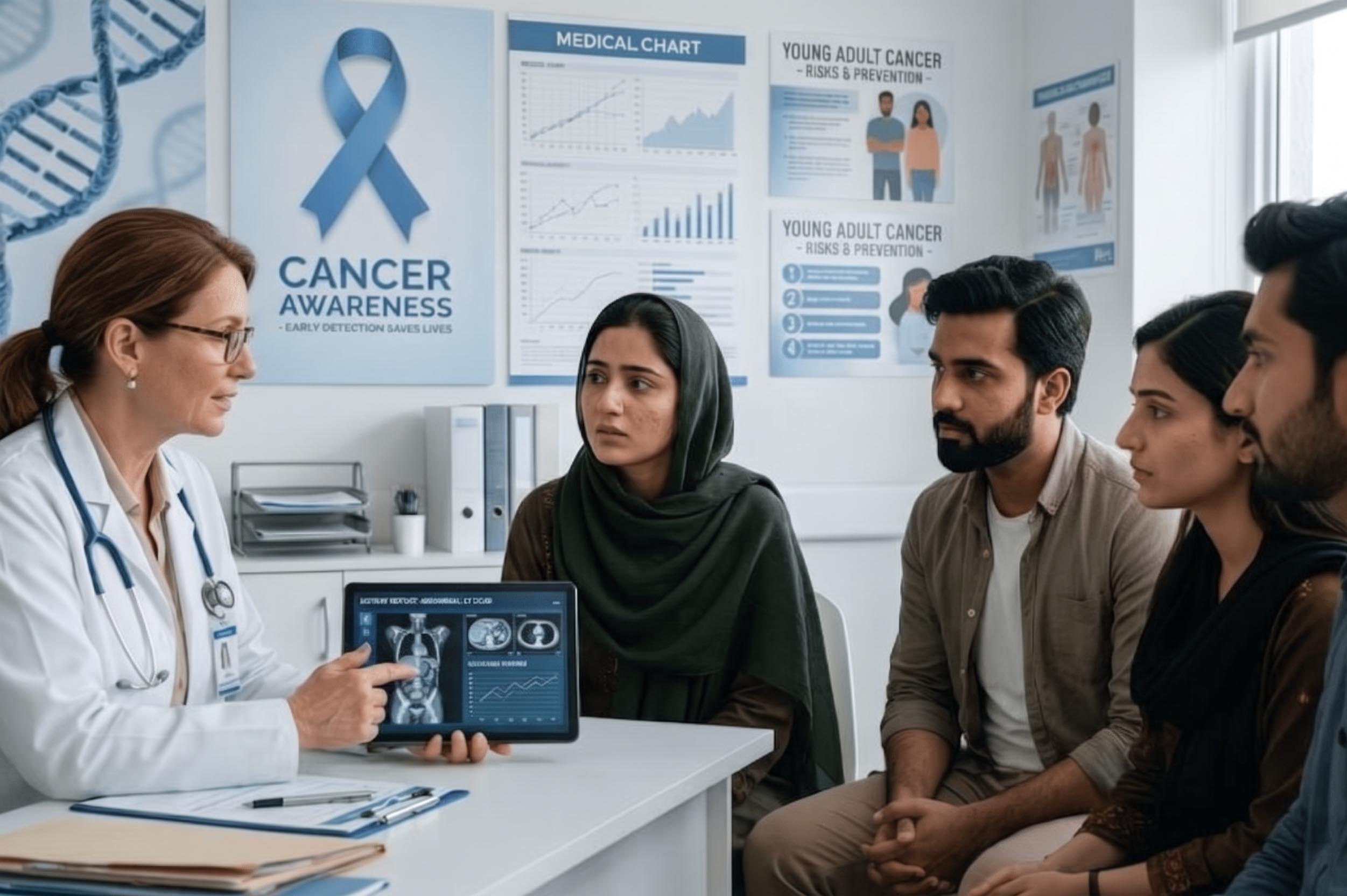
Cancer is often considered a disease that mainly affects older adults. However, more young people and families are becoming concerned about cancer diagnoses at an earlier age. Across Pakistan, discussions about breast cancer, blood cancer, oral cancer, and other types of cancer among younger individuals have raised important questions about lifestyle, environmental conditions, and healthcare awareness.
But why are younger people developing cancer? Are changing lifestyles, unhealthy eating habits, pollution, or genetics responsible? The reality is that cancer does not have one single cause. Several biological, environmental, and lifestyle-related factors can influence a person’s risk.
Understanding these factors is important for young adults, parents, and families who want to take preventive steps and recognize possible warning signs.
1. Changing Lifestyle and Unhealthy Eating Habits
Modern lifestyles have changed significantly over the past decade. Many young people spend long hours sitting, working on computers, using mobile phones, and consuming processed or fast food.
Regular consumption of highly processed foods, sugary drinks, and meals containing excessive calories can contribute to weight gain and obesity. Excess body weight is associated with an increased risk of several cancers, particularly over the long term.
A lack of physical activity can also contribute to poor metabolic health. Although an unhealthy lifestyle does not automatically cause cancer, maintaining a balanced diet and regular exercise can help reduce certain cancer risks.
2. Tobacco, Cigarettes, Gutka and Naswar
Tobacco consumption is one of the most important preventable cancer risk factors in Pakistan.
Cigarettes, sheesha, gutka, naswar, paan with tobacco, and other smokeless tobacco products expose the body to harmful chemicals. These substances are strongly associated with cancers of the mouth, throat, lungs, and other parts of the body.
In Pakistan, smokeless tobacco and betel quid chewing are particularly concerning because these products are commonly used in different communities.
Young people sometimes start using these products due to social pressure, curiosity, or stress. However, regular exposure can cause serious long-term damage.
Avoiding tobacco completely is one of the most effective steps people can take to lower their cancer risk.
3. Air Pollution and Environmental Exposure
Environmental pollution is another concern for public health in Pakistan. Major cities such as Karachi, Lahore, and Faisalabad experience different forms of air pollution caused by traffic emissions, industrial activities, construction dust, and other sources.
Long-term exposure to outdoor air pollution, particularly fine particulate matter, is associated with an increased risk of lung cancer.
People may also encounter harmful substances through occupational exposure, contaminated drinking water, and certain industrial chemicals.
However, it is important to understand that not every environmental exposure causes cancer, and the level of risk depends on the substance, exposure duration, and individual circumstances.
Improving air quality, following workplace safety measures, and avoiding unnecessary exposure to harmful chemicals are important preventive steps.
4. Genetic Factors and Family History
Genetics can also influence cancer development, including among younger individuals.
Some people inherit genetic changes that increase their chances of developing particular cancers. For example, inherited changes in the BRCA1 and BRCA2 genes can increase the risk of breast and ovarian cancers.
Having a family history of cancer does not mean someone will definitely develop the disease. However, multiple close relatives with similar cancers, especially at unusually young ages, may indicate an inherited risk.
People with a strong family history should discuss their risk with a qualified healthcare professional. Genetic counselling and appropriate testing may help identify individuals who need additional monitoring.
5. Viral Infections and Other Health Conditions
Certain infections are also linked to cancer development. This is particularly relevant in countries where infectious diseases remain a major public health challenge.
Hepatitis B and hepatitis C infections can cause chronic liver inflammation and increase the risk of liver cancer.
Human papillomavirus (HPV) is associated with cervical cancer and several other cancers. Helicobacter pylori, a type of bacteria that can infect the stomach, is associated with an increased risk of stomach cancer.
Vaccination, safe medical practices, appropriate screening, and timely treatment of infections can help reduce some of these risks.
6. Why Cancer Awareness Is Important in Pakistan
Pakistan faces several challenges when it comes to cancer prevention and treatment. These include limited awareness, unequal access to healthcare, financial difficulties, and delays in seeking medical attention.
According to Pakistan’s National Cancer Registry report covering 2015–2019, 269,707 cancer cases were analysed. Breast cancer was the most frequently reported cancer overall, while oral cancer was among the leading cancers in men. Leukaemia was the leading reported cancer in children, and bone cancer was prominent among adolescents.
Karachi Cancer Registry data from 2017–2021 also identified bone, brain, and connective tissue tumours among the most common cancer groups in adolescents.
These findings highlight why cancer awareness and accessible healthcare services are important for younger populations.
However, they do not prove that cancer is increasing specifically among young people. Pakistan still faces limitations in nationwide cancer reporting, making it difficult to accurately compare age-specific trends across the entire country.
7. Early Warning Signs Young People Should Not Ignore
Cancer symptoms can vary depending on the type and location of the disease. Some warning signs may also be caused by less serious medical conditions.
Nevertheless, persistent or unexplained changes in the body should not be ignored.
Some symptoms that deserve medical attention include:
- An unexplained lump or swelling in the breast, neck, or another part of the body.
- Unexplained weight loss without changes in diet or physical activity.
- Persistent fatigue or unusual weakness.
- Changes in bowel or bladder habits.
- Unusual bleeding or discharge.
- A persistent cough or difficulty swallowing.
- Sores in the mouth that do not heal.
- Unexplained or persistent bone pain.
- Repeated fever or night sweats without an obvious explanation.
Experiencing one of these symptoms does not necessarily mean a person has cancer. However, if symptoms persist, worsen, or seem unusual, consulting a qualified doctor is important.
8. How Can Young People Reduce Their Cancer Risk?
Although not every type of cancer can be prevented, several practical steps can reduce the risk of developing certain cancers.
Avoid tobacco products: Stay away from cigarettes, gutka, naswar, paan containing tobacco, and other tobacco products.
Maintain a balanced diet: Include fruits, vegetables, whole grains, and nutritious foods in daily meals. Limit processed foods and sugary drinks.
Stay physically active: Regular exercise, walking, cycling, or playing sports can support a healthy body weight and overall health.
Get recommended vaccinations: Hepatitis B vaccination and HPV vaccination can help prevent infections associated with certain cancers. Discuss eligibility and vaccination schedules with a healthcare professional.
Maintain a healthy weight: Avoid excessive weight gain and develop sustainable eating and exercise habits.
Attend recommended screenings: People with relevant risk factors or a family history of cancer should discuss appropriate screening with their doctors.
Avoid unnecessary chemical exposure: Follow workplace safety guidelines and use appropriate protective equipment when working around potentially harmful substances.
9. The Importance of Early Detection and Medical Awareness
One of the biggest challenges in cancer care is delayed diagnosis. Some people ignore unusual symptoms because they are young, while others avoid medical consultations due to financial concerns or fear.
Early detection can improve treatment options and outcomes for many cancers. However, not every cancer has an established screening test for young, otherwise healthy individuals.
People should avoid self-diagnosis and unverified treatments promoted on social media. A proper medical assessment, followed by appropriate investigations when needed, is a safer approach.
Government institutions, hospitals, educational organizations, and healthcare professionals can also contribute by improving public awareness and making diagnostic services more accessible.
Conclusion
Cancer among younger people is a serious health concern that deserves attention, but it is important to understand the facts rather than rely on fear or assumptions.
Lifestyle habits, tobacco consumption, environmental exposure, infections, and inherited genetic factors can all influence cancer risk. At the same time, some cancers develop because of biological changes that cannot always be explained or prevented.
For Pakistan, better healthcare awareness, tobacco control, vaccination, early medical consultations, and improved cancer registration are essential steps towards addressing this challenge.
Young people should not wait until a health problem becomes serious before seeking medical advice. Understanding the risks, recognizing unusual symptoms, and making healthier choices can help protect long-term health.
Related