













































The Truth Behind Popular Nail Myths
We’ve all heard them before: Nails need to breathe; acrylic makes my nails weak; gels make my nails grow faster. We uncover the truth behind these common nail misconceptions so you can educate your clients and set the record straight.
When it comes to beauty, false information spreads faster than a new viral nail trend. And the nail industry? It’s packed with outdated advice, salon sayings, and online “facts” that don’t always stand up to reality. From claims that nails need to breathe to the belief that acrylics ruin natural nails, these myths have circulated for years—or worse, exploded across social media.
The truth is, many of these popular tips are either only partly accurate or completely incorrect. While they may seem harmless, they can actually create bad habits, damage your nails, and leave clients confused. Whether you’re a nail technician trying to educate your customers or simply someone who wants healthier nails at home, knowing the real science behind nail care makes a big difference.
We’re here to break it all down—separating truth from misconception and debunking the most common myths once and for all. Here are five outdated nail myths that need to go, plus the facts your nails will appreciate.
Myth #1: Nails need to breathe.
The Truth: This is one of those long-standing nail myths that just won’t fade. In reality, nails don’t “breathe” at all—because they can’t. They’re made of keratin, just like your hair, and contain no pores or ability to take in oxygen from the air. So the idea that your nails need breaks to “breathe” between services is simply incorrect.
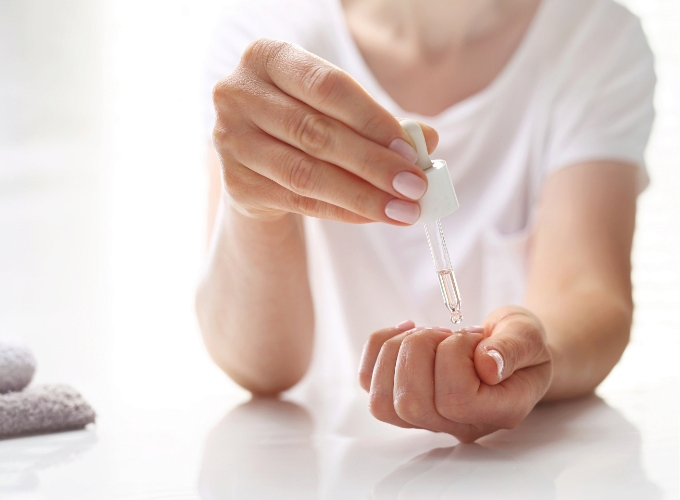
What does benefit your nails is proper preparation, gentle product removal, and consistent use of nourishing treatments like cuticle oil. These habits support healthier nails far more than any so-called breathing time ever could.
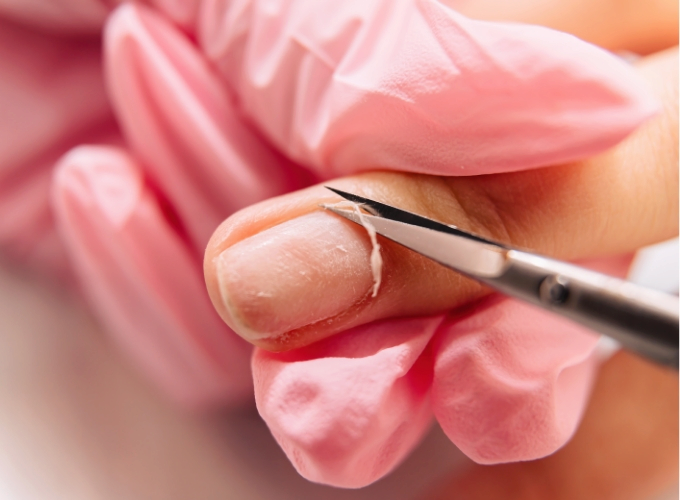
Myth #2: Cutting cuticles is good for nail health.
The Truth: Many clients have been taught to expect cuticle trimming at every salon visit. When it’s skipped, they often request it, believing it’s a mandatory step. But cuticles actually play an important role: they form a natural barrier that protects the space between your nail and skin, blocking bacteria and reducing the risk of infection. Over-trimming them—especially too frequently or too harshly—can cause irritation, damage, and even make the problem worse.
Regular nipping also creates a cycle that’s hard to break. The more you cut, the more the cuticles and surrounding skin grow back uneven and rough, leading to thicker skin over time. While skilled professionals can carefully remove cuticles, a healthier method is much simpler: gently push them back and use a cuticle remover when necessary. This approach prevents excess skin buildup while keeping your cuticles soft, flexible, and naturally protected.
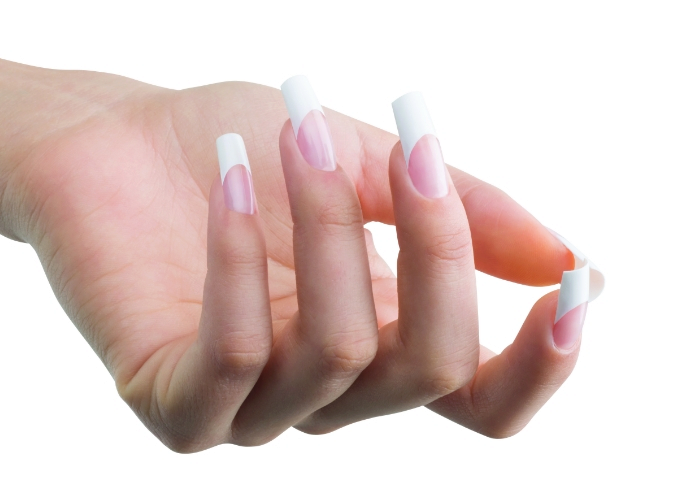
Myth #3: Acrylic ruins your natural nails.
The Truth: Many people notice their nails feeling weak or damaged after having enhancements removed and automatically blame the acrylics or gels themselves. But the real culprit isn’t the product—it’s improper technique. Most damage happens from excessive filing during prep or from rough removal methods, like peeling or forcing enhancements off.
When acrylics are applied and taken off correctly by a skilled professional, they’re completely safe for your natural nails. In fact, they can even provide protection, especially for nails that are soft, bend easily, or tend to break.
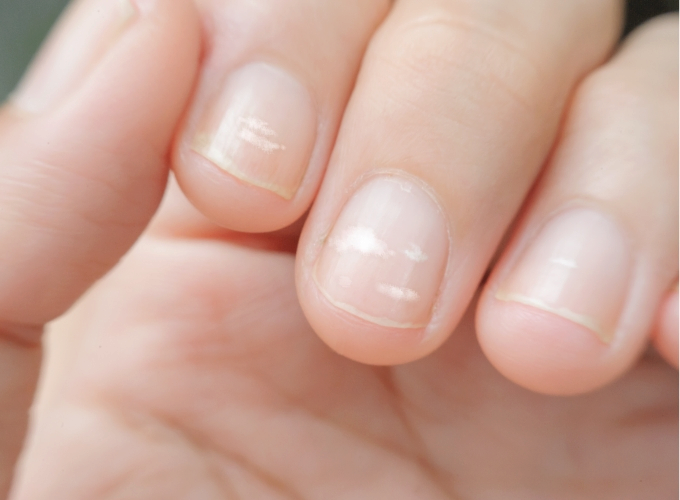
Myth #4: White spots mean you’re low on calcium.
The Truth: Many of us grew up hearing that the small white spots that show up on our nails are caused by a lack of calcium. While it sounds reasonable, it’s actually not true. Those spots—known as leukonychia—are most often caused by tiny injuries to the nail matrix, not nutrient deficiencies. The matrix, located beneath the base of the cuticle, is where new nail growth begins. Even slight pressure, a small bump, or rough handling of that area can disrupt nail formation and lead to those harmless white marks.
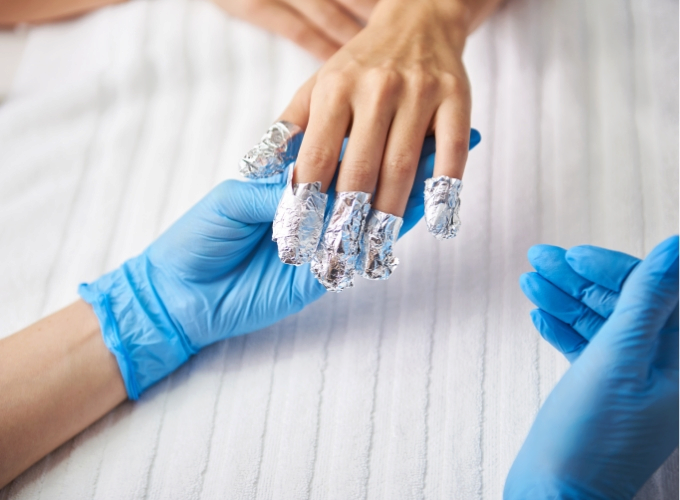
Myth #5: Gel polish has to be removed between every manicure.
The Truth: Not necessarily! With the improvements in gel technology, many modern gels are designed to last well beyond just a couple of weeks. This means you don’t always need to remove everything and start over. If the gel is still firmly adhered and the natural nail is in good condition, you can simply do a fill or maintain it with a structured gel overlay instead of fully soaking it off.
In fact, improper removal—like scraping, prying, or excessive filing—is far more damaging than safely working on top of a stable base using the correct technique.
Bottom line? Healthy, gorgeous nails come from proper knowledge, technique, and facts—not old misconceptions. Whether you do your own nails or work professionally, understanding the science behind nail care empowers you to make better decisions and finally leave those outdated myths behind.