















































15 Workplace Red Flags That Quietly Kill Your Career Growth 🚩
Career growth isn’t only about your hard work, dedication, or talent—it’s equally about the environment you work in. A toxic or stagnant workplace can silently hold you back, no matter how skilled you are. Many professionals overlook subtle warning signs until it’s too late. Recognizing them early can help you make smarter career choices.
Below are 15 workplace red flags that can quietly kill your career growth, along with examples and what you can do about them.
1. Salary Always Delayed

If your salary arrives late every month, it’s not just an inconvenience—it’s a signal of deeper financial mismanagement within the company. Consistent delays show instability and lack of respect for employees.
2. Micromanagement Through CCTV or Monitoring Tools

When managers watch CCTV like TV or track every click on your system, it kills trust and autonomy. Employees need freedom to perform, not constant surveillance.
3. No Respect for Off-Days

If your boss calls you on your day off for “urgent work,” it shows a culture of poor boundaries. Work-life balance is critical for long-term career health.
4. Ex-Employees Treated Like Enemies

If people who resign are bad-mouthed, ignored, or treated as traitors, it reflects insecurity and toxicity at the top. A healthy workplace should respect career moves.
5. Petty Restrictions (Like Tea Limits ☕)

Rules such as “only two cups of tea allowed” or banning personal snacks might sound minor, but they show a control-obsessed management. Little freedoms matter.
6. Strict Lunch Spot Rules

If lunch breaks are restricted to one spot or overly monitored, it’s infantilizing. Breaks should recharge you, not feel like detention.
7. “Sandwich Leave” Rule

Companies that refuse Friday or Monday leave because it creates a “long weekend” are prioritising control over employee trust. Time off should be flexible, not a punishment.
8. Leadership Confused With Toughness

If your manager believes shouting or showing physical dominance equals leadership, it’s a red flag. True leadership inspires, not intimidates.
9. Punishment for Minutes of Delay

Arriving five minutes late leading to a pay cut or warning letter? This signals a rigid, outdated system. What matters is output, not punching a clock.
10. Excessive Formalities (Too Much “Sir/Ma’am”)
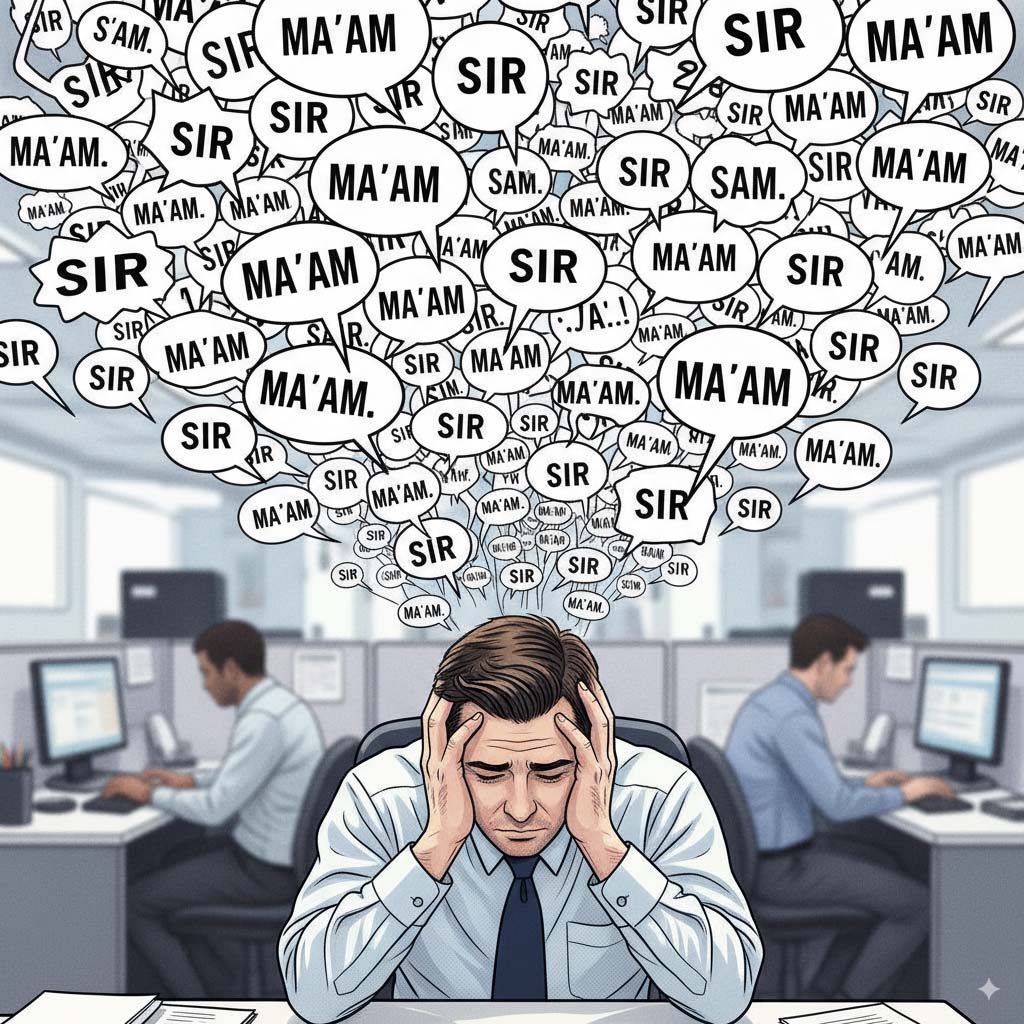
If you’re forced to say “Sir” or “Ma’am” endlessly, the culture is overly hierarchical. Respect is important, but exaggerated formality creates distance.
11. The “We’re a Family” Trap

When CEOs say, “We’re a family” but use it to justify unpaid overtime or personal sacrifices, beware. Families love unconditionally—companies should respect contracts.
12. No Career Development Programs

If your workplace has no training, mentorship, or growth plans, you’ll stagnate. Companies that invest in employees invest in the future.
13. High Employee Turnover

When employees are constantly quitting, it’s not a coincidence. It means there’s something wrong in the culture or leadership.
14. Lack of Recognition

If your efforts are never acknowledged while mistakes are highlighted, morale drops. Recognition is not a bonus—it’s fuel for motivation.
15. Silence About the Future

If leadership avoids discussions about company goals, roadmaps, or stability, it’s a big concern. Your career should grow with a company that has vision.
Why These Red Flags Matter
Ignoring these signals means you may spend years in an environment that limits your growth, damages your mental health, and wastes your potential. Many professionals only realize the damage when they’re burnt out or far behind peers in skill and salary.
A career is not just about surviving—it’s about thriving. The right workplace accelerates your learning, gives you confidence, and values your contributions.
What You Can Do if You See These Red Flags
-
Observe patterns – A single incident may not be alarming, but repetition is.
-
Document experiences – Keep records of delayed salaries, unfair penalties, etc.
-
Seek mentorship – Talk to peers or mentors about whether these issues are normal.
-
Start networking – Keep your LinkedIn updated and grow your professional connections.
-
Prepare an exit plan – Don’t leave impulsively, but plan your next move strategically.
Final Thoughts
A toxic or stagnant workplace can quietly sabotage your career no matter how hardworking you are. Recognizing the red flags early is your best defense. Remember: You don’t just work for a paycheck—you work for your future.
If too many of these signs exist where you are, it’s probably time to consider new opportunities. Growth happens where respect, trust, and learning are valued.